Islamic Tradition on Celebration: 30 Eid Mubarak Greetings from Scholars and Poetry
Published · Updated
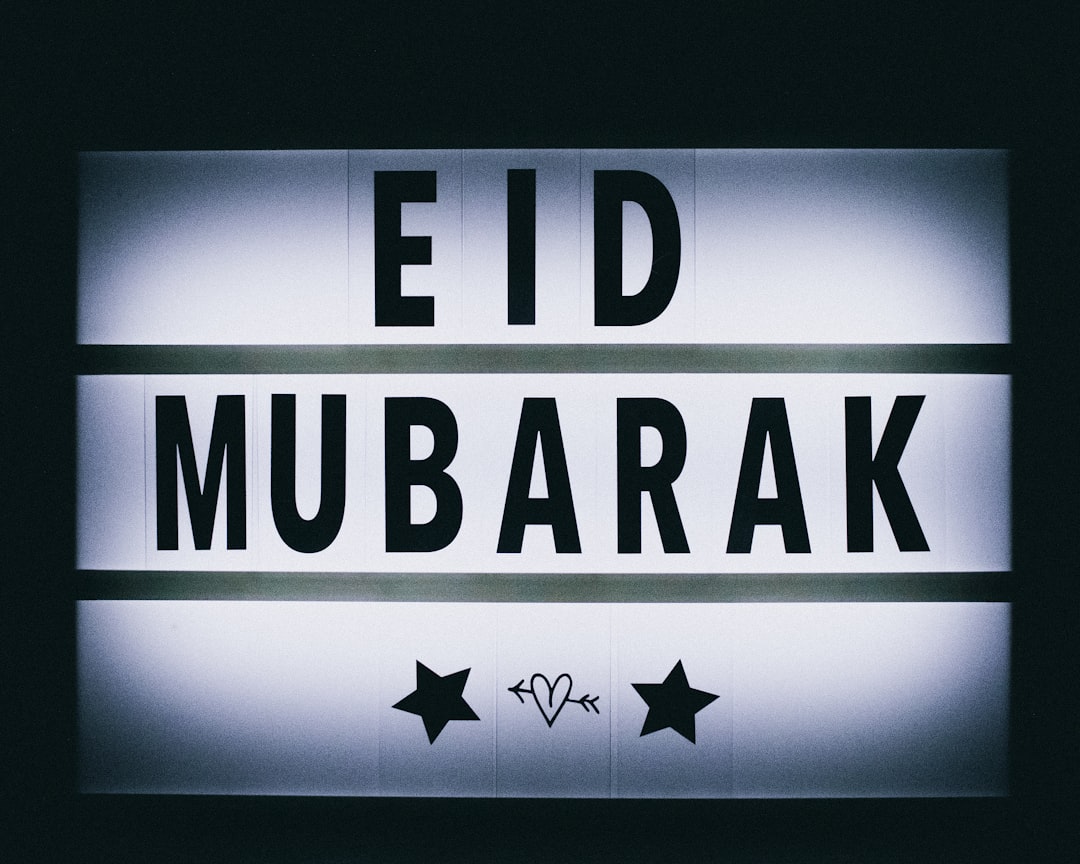
What defines a traditional Eid greeting?
The customary Arabic phrase directly translates to "blessed festival" and functions primarily as a spiritual supplication. Historical theologians emphasize that the greeting asks God to accept the fasting, charity, and prayers offered during the holy month. This explicit phrasing binds the individual's private spiritual efforts to the visible, collective joy of the community.
Eid Greetings Rooted in Supplication
1. "Taqabbal Allahu minna wa minkum (May Allah accept from us and from you)." — Traditional Sahaba Greeting (Prophetic Era)
2. "Eid is not for the one who wears new clothes. Eid is for the one whose obedience rises." — Ibn Rajab al-Hanbali, Lata'if al-Ma'arif (14th Century)
3. "Whoever desires that God opens the door of mercy for him, let him pardon those who have wronged him on this day of celebration." — Imam al-Ghazali, Ihya Ulum al-Din (11th Century)
4. "May the blessings of Allah fill your life with happiness and open all the doors of success now and always. Eid Mubarak." — Traditional English Supplication
5. "O You who believe, let this day of breaking the fast be a day of forgiveness and renewed kinship." — Classic Islamic Sermon Tradition
6. "May the divine blessings of Allah touch every aspect of our life and make them wonderful. Eid Mubarak." — Community Supplication
7. "Let the joy of Eid settle in your heart like the first light of dawn after a long night of prayer." — Contemporary Poetic Wish
8. "May your fasting be accepted, your prayers be answered, and your family be enveloped in peace this Eid." — Modern Devotional Greeting
9. "Eid Mubarak. May God give you the happiness of heaven above and the peace of a grounded heart below." — Standard Translated Blessing
10. "Let this Eid be the occasion of sharing the love and caring for the people who need to be loved and cared for the most." — Civic Holiday Wish
How do modern writers articulate the joy of Eid?
Contemporary authors often weave the theological weight of the holiday into the tactile realities of domestic life. Their words focus on the sensory shifts that define the morning—the taste of sheer khurma, the rustle of new garments, and the physical gathering of extended families—as concrete evidence of divine mercy. Approaching the festival provides a sturdy framework for navigating life transitions, as relatives use the holiday to reconcile old grievances. Exploring broader collections of daily wisdom reveals how cultural expressions of the holiday have evolved to include both ancient prayers and modern domestic imagery.
11. "The crescent moon has been sighted, closing the chapter of restraint and opening the heavy wooden doors of festivity." — Traditional Sighting Announcement
12. "On this Eid, may your plate be filled with sweet vermicelli and your heart with an unshakeable peace." — South Asian Diaspora Greeting
13. "The best of all gifts around any Eid tree is the presence of a happy family all wrapped up in each other." — Adapted Celebration Proverb
14. "Eid Mubarak. May your home be a place of loud laughter and your table a place of quiet gathering." — Modern Community Wish
15. "May every drop of your sweat from the past month of effort be rewarded with an ocean of mercy this Eid." — Poetic Supplication
16. "As we pray shoulder to shoulder today, let our hearts stand together in unity and love. Eid Mubarak." — Sermon Excerpt, Islamic Center of America (2022)
17. "May the magic of this Eid bring lots of happiness in your life and may you celebrate it with all your close friends." — Contemporary Family Greeting
18. "May the light of the moon fall directly on you and may Allah bless you with everything you desire today." — Cultural Blessing
19. "Eid is a reminder that after every period of hardship and patience, there is a feast of immense joy." — Modern Spiritual Reflection
20. "Send your prayers to the sky and watch the blessings fall like rain on this blessed Eid morning." — Contemporary Literary Greeting
Eid Greetings for Distant Friends and Family
Geography often separates families during major Islamic holidays. Sending a thoughtful message across time zones bridges that physical distance, ensuring that the spiritual solidarity forged during the fasting month remains intact despite the miles. Reaching out to isolated community members can easily break the silence for those spending the holiday alone.
21. "Even though oceans separate us this Eid, my prayers for your prosperity are whispered directly to the same heavens." — Diaspora Wish
22. "Eid Mubarak to my distant family. May the same sun that warms my face today bring light to your living room." — Modern Greeting
23. "Distance only amplifies the sweetness of our shared prayers. Wishing you a truly blessed Eid al-Fitr." — Contemporary Message
24. "May the grace of God surround your family today, no matter how many miles keep you away from home." — Holiday Card Sentiment
25. "Sending you warm wishes on Eid and wishing that it brings your way everlasting joys and happiness." — Standard Transnational Greeting
26. "No shadow of sadness should touch you on this Eid. May all your quietest prayers be answered." — Cultural Blessing
27. "Eid Mubarak! May your faith be strengthened and your heart be lightened on this joyous global occasion." — Community Supplication
28. "Let our physical absence be replaced by the spiritual closeness of our shared takbeer echoing across the globe today." — Theological Reflection
29. "Wishing you a joyous Eid al-Adha. May your sacrifices be appreciated and your deepest prayers be answered." — Festival of Sacrifice Greeting
30. "As the celebrations draw to a close, may the profound peace of Eid linger in your household throughout the coming year." — Traditional Closing Wish
Key Takeaways
- Traditional Eid greetings function simultaneously as social pleasantries and formal theological supplications for divine acceptance.
- The phrase "Taqabbal Allahu minna wa minkum" remains the most historically authenticated greeting dating back to the Prophetic era.
- Modern greetings increasingly incorporate sensory details of cultural celebrations, from specific foods to the wearing of new garments.
- Sending intentional greetings across geographic distances reinforces the concept of the global Muslim ummah during times of isolation.
The garments will eventually be folded away, and the sweet dishes will be cleared from the dining tables. Carry the generosity cultivated on the morning of Eid into the regular routines of the coming week. Returning to ordinary life with a heart expanded by gratitude turns every subsequent dawn into a quiet celebration of its own.