How Did Kobe Bryant Define the Mamba Mentality? 30 Direct Quotes
Published · Last updated
The late Los Angeles Lakers icon articulated his obsessive competitive drive through interviews and post-game press conferences over two decades.
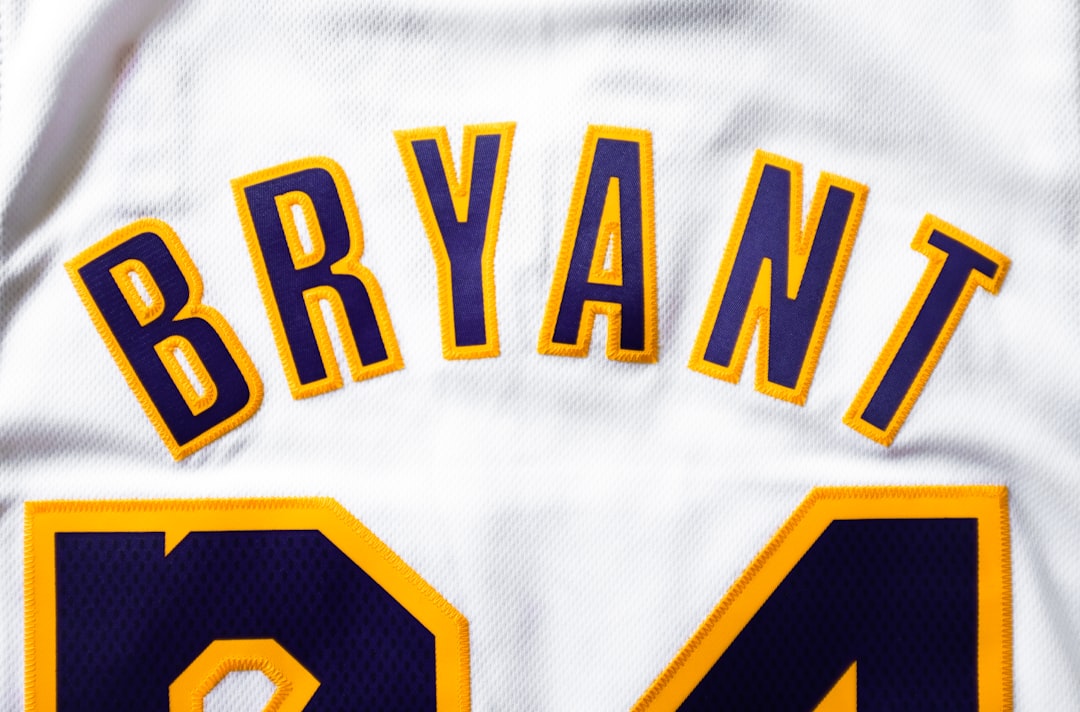
What exactly did Kobe Bryant mean when he coined the term "Mamba Mentality"? Was it just a clever branding exercise for a shoe company, or did it represent a tangible psychological framework? Bryant introduced the concept during a 2014 promotional tour, long after his five NBA championships with the Los Angeles Lakers were secured in the history books. He needed a way to explain the obsessive, detail-oriented preparation that allowed him to outwork his peers while recovering from a devastating Achilles tendon tear in 2013. The phrase evolved from a marketing slogan into a genuine philosophy detailing how an individual can systematically dismantle their own limitations. He documented this exhaustive process in his 2018 book, The Mamba Mentality: How I Play, revealing the brutal early morning workouts and film study sessions that defined his twenty-year career. The results speak through his five championship rings.
What did Bryant say about failure and resilience?
The shooting guard viewed setbacks not as final verdicts, but as necessary data points for future success. Whenever he missed a crucial shot or lost a playoff series, he immediately returned to the practice court to correct the mechanical flaw or mental lapse that caused the error.
This analytical approach shares a tactical foundation with how Thomas Edison viewed repeated experimental failures in the laboratory.
"Everything negative—pressure, challenges—is all an opportunity for me to rise." — Kobe Bryant
"I doubt myself. I have insecurity. I have fear of failure. I have nights when I show up at the arena and I'm like, 'My back hurts, my feet hurt, my knees hurt. I don't have it. I just want to chill.' We all have doubt. You don't deny it, but you also don't capitulate to it. You embrace it." — Kobe Bryant
"If you're afraid to fail, then you're probably going to fail." — Kobe Bryant
"Once you know what failure feels like, determination chases success." — Kobe Bryant
"I have nothing in common with lazy people who blame others for their lack of success. Great things come from hard work and perseverance. No excuses." — Kobe Bryant
"When you make a choice and say, 'Come hell or high water, I am going to be this,' then you should not be surprised when you are that." — Kobe Bryant
"The moment you give up, is the moment you let someone else win." — Kobe Bryant
"Losing is losing, there aren't different degrees of losing. You either win a championship or you're s*. It's very black and white to me." — Kobe Bryant
"I'm reflective only in the sense that I learn to move forward. I reflect with a purpose." — Kobe Bryant
"Pain doesn't tell you when you ought to stop. Pain is the little voice in your head that tries to hold you back because it knows if you continue you will change." — Kobe Bryant
How did he describe the daily demands of leadership?
Leading a professional basketball franchise required Bryant to demand the absolute maximum from his teammates, often resulting in severe friction during Lakers practices. He refused to lower his standards to make others comfortable, believing that true leadership meant dragging people out of their complacency.
For a different perspective on guiding others through intense pressure, you can explore Ernest Hemingway's thoughts on maintaining composure during chaotic events.
"Leadership is lonely. I'm not going to be afraid of confrontation to get us to where we need to go." — Kobe Bryant
"I'll do whatever it takes to win games, whether it's sitting on a bench waving a towel, handing a cup of water to a teammate, or hitting the game-winning shot." — Kobe Bryant
"The most important thing is to try and inspire people so that they can be great in whatever they want to do." — Kobe Bryant
"A lot of leaders fail because they don't have the bravery to touch that nerve or strike that chord." — Kobe Bryant
"You have to be true to who you are. My leadership style is to challenge you and push you." — Kobe Bryant
"There's a choice that we have to make as people, as individuals. If you want to be great at something, there's a choice you have to make. We all can be masters at our craft, but you have to make a choice." — Kobe Bryant
"I can't relate to lazy people. We don't speak the same language. I don't understand you. I don't want to understand you." — Kobe Bryant
"Friends can come and go, but banners hang forever." — Kobe Bryant
"Boos don't block dunks." — Kobe Bryant
"If you want to be a better player, you have to prepare, prepare, and prepare some more." — Kobe Bryant
What was his philosophy on preparation and work ethic?
Bryant famously arrived at Olympic training camps hours before his peers, establishing a psychological edge before the sun even rose. His commitment to the fundamentals meant he spent entire summers practicing a single footwork pivot until the movement became completely autonomous.
This obsessive repetition shares a tactical foundation with how Mike Tyson approached adversity in the ring during his prime heavyweight years.
Readers interested in broader sports motivation frameworks often study these exact training regimens.
"I'm chasing perfection." — Kobe Bryant
"Dedication sees dreams come true." — Kobe Bryant
"I don't want to be the next Michael Jordan, I only want to be Kobe Bryant." — Kobe Bryant
"My brain cannot process failure. It will not process failure. Because if I sit there and have to face myself and tell myself, 'You're a failure,' I think that's almost worse than death." — Kobe Bryant
"Rest at the end, not in the middle." — Kobe Bryant
"If you do the work, you get rewarded. There are no shortcuts in life." — Kobe Bryant
"Trust me, setting things up right from the beginning will avoid a ton of tears and heartache." — Kobe Bryant
"May you always remember to enjoy the road, especially when it's a hard one." — Kobe Bryant
"We can always kind of be average and do what's normal. I'm not in this to do what's normal." — Kobe Bryant
"The beauty in being blessed with talent is rising above doubters to create a beautiful moment." — Kobe Bryant
Common Misconceptions
Myth: The Mamba Mentality only applies to professional basketball.
Reality: Bryant deliberately expanded the concept to encompass writers, business leaders, and artists who apply obsessive detail to their respective crafts. He frequently spoke to corporate boards and creative teams about applying this exact framework to industries far removed from professional athletics.
Myth: He never passed the ball because he lacked trust in his teammates.
Reality: While known as a high-volume scorer, Bryant averaged 4.7 assists per game over his career and led the Lakers in assists during multiple championship runs. His demanding nature meant he required teammates to prove their reliability in high-stakes situations before he deferred to them in the fourth quarter.
Myth: He relied solely on natural athleticism to dominate the league.
Reality: As his physical abilities waned after his 2013 Achilles injury, he adapted his game to rely heavily on footwork, angles, and basketball IQ to remain effective. He meticulously studied film of older players to understand how to extend his career when his vertical leap diminished.
The gymnasium lights eventually turn off for every athlete, leaving behind only the historical record and the instructional blueprints they drafted for the next generation. Bryant spent his post-retirement years transforming his on-court intensity into storytelling, winning an Academy Award in 2018 for his animated short film Dear Basketball. His words continue to provide a strict, unsentimental framework for anyone willing to trade temporary comfort for the possibility of mastering their chosen discipline.