30 Happy Holi Quotes in Hindi for Authentic Festival Greetings
Published · Last updated
The vibrant tradition of Phalguna relies on lyrical Hindi greetings that capture the mythic roots and playful mischief of the spring festival.
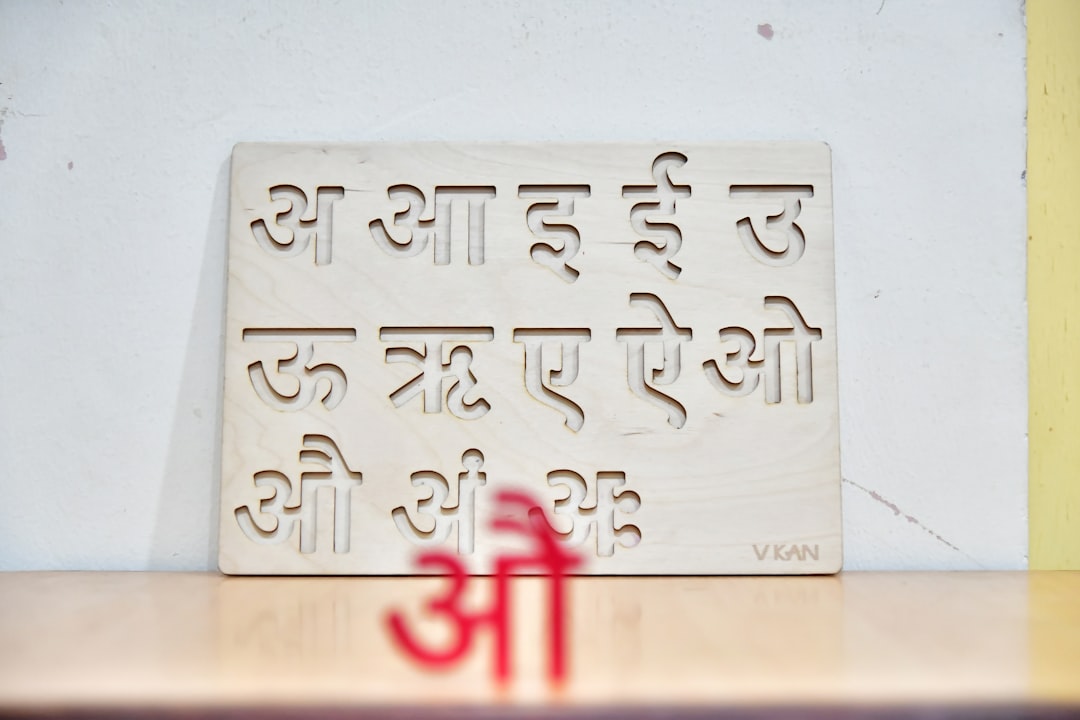
People often assume Holi is merely a chaotic, neon-dusted photoshoot where participants throw water balloons and ruin white shirts for social media engagement. Western adaptations like the commercialized color runs strip the festival of its historical context entirely. The reality stretches back centuries to the Braj region of India, specifically the towns of Mathura and Vrindavan. The festival commemorates the divine love of Radha and Krishna, alongside the victory of Vishnu's devotee Prahlad over the demoness Holika documented in ancient Puranic texts. Sending happy holi quotes in Hindi reclaims this rich narrative.
Using the native language to celebrate anchors the festivities in their original cultural landscape. You cannot cleanly separate the throwing of vibrant gulal from the poetic cadence of traditional folk songs sung in Uttar Pradesh. Hindi captures nuances of playful mischief and deep spiritual devotion that English translations often flatten into generic holiday cheer. Taking the time to send a message in the proper dialect shows genuine respect for the agrarian roots of the tradition. A simple, well-crafted text message is highly effective for bridging the distance between old friends separated by geography.
What Makes Hindi Greetings Essential to Holi?
Hindi carries the exact cultural vocabulary needed to express the dual nature of Holi celebrations. The language effortlessly balances the sacred reverence of the spring equinox with the informal, mischievous spirit of community street gatherings. Words like Bhaang, Gulal, and Pichkari lose their tactile joy when translated, making the original phrasing vital for authentic connection. Traditional 1950s Bollywood lyricists understood this linguistic power perfectly.
1. "रंगों का त्योहार आया है, साथ अपने खुशियां लाया है। होली की हार्दिक शुभकामनाएं!"
Translation: The festival of colors has arrived, bringing happiness with it. Best wishes for Holi!
Context: A standard, highly polite greeting suitable for colleagues and distant relatives who appreciate traditional phrasing.
2. "राधा का रंग और कान्हा की पिचकारी, प्यार के रंग से रंग दो दुनिया सारी।"
Translation: Radha’s color and Krishna’s water gun, paint the whole world with the color of love.
Context: This invokes the mythological origins of the festival in Vrindavan, perfect for spiritually inclined family members.
3. "हवाओं में रंग मिला है, दिलों में प्यार खिला है। बुरा ना मानो होली है!"
Translation: Colors are mixed in the winds, love has bloomed in hearts. Don't mind, it's Holi!
Context: The classic defense for throwing water balloons at your friends without warning.
4. "लाल, गुलाबी, नीला, पीला, हाथों में रंग लिए सतरंगी। होली के इस पावन अवसर पर, जीवन हो जाए सतरंगी।"
Translation: Red, pink, blue, yellow, holding rainbow colors in hands. On this auspicious occasion of Holi, may life become a rainbow.
Context: A poetic wish focusing on the visual spectacle of the spring harvest.
5. "गुझिया की महक और अपनों का प्यार, मुबारक हो आपको होली का त्योहार।"
Translation: The aroma of Gujiya and the love of dear ones, happy Holi festival to you.
Context: Food is central to the holiday, and mentioning the traditional sweet pastry (Gujiya) evokes immediate nostalgia for home kitchens.
6. "फाल्गुन का महीना लाया है मस्ती की बहार, रंगों से भर दो सबका संसार।"
Translation: The month of Phalguna has brought a spring of fun, fill everyone's world with colors.
Context: Grounding the wish in the traditional Hindu calendar month gives it a timeless, seasonal quality.
7. "निकलो गलियों में बना कर टोली, भिगा दो आज हर एक की झोली।"
Translation: Go out into the streets forming a group, drench everyone's bag today.
Context: An energetic call to action for the youth who roam the neighborhoods with colored water.
8. "मथुरा की खुशबू, गोकुल का हार, वृंदावन की सुगंध, बरसाने की फुहार।"
Translation: The fragrance of Mathura, the garland of Gokul, the scent of Vrindavan, the shower of Barsana.
Context: This maps out the sacred geography of Lord Krishna's youth, making it deeply resonant for devout Hindus.
9. "होली के इस रंग में रंग जाए सब गिले-शिकवे, बस प्यार ही प्यार रह जाए।"
Translation: May all grievances be colored in the hue of Holi, leaving only love behind.
Context: The festival serves as an annual reset button for community disputes and personal arguments.
10. "रंगों से भी रंगीन जिंदगी है हमारी, रंगीली रहे यह बंदगी हमारी।"
Translation: Our life is more colorful than colors, may this devotion of ours remain colorful.
Context: A philosophical take on the holiday that looks inward at the human spirit.
How Do You Convey Respect and Joy to Family Elders?
Addressing older relatives during the festival requires a subtle shift toward formal Hindi, prioritizing wishes for health, prosperity, and spiritual peace. The phrasing often invokes divine blessings from Lord Krishna or Lord Rama rather than focusing on street pranks. A well-crafted message honors family hierarchy while still partaking in the vibrant, colorful atmosphere of the spring harvest season. If you are exploring the religious calendar, understanding the quiet focus required before Eid provides an interesting contrast to the loud, communal exuberance of Phalguna.
11. "ईश्वर करे आपकी जिंदगी में रंगों की कभी कमी ना हो। शुभ होली!"
Translation: May God ensure there is never a shortage of colors in your life. Happy Holi!
Context: A respectful, blessing-oriented message suitable for grandparents and elder aunts.
12. "आपके जीवन में सुख, शांति और समृद्धि के रंग हमेशा खिले रहें।"
Translation: May the colors of happiness, peace, and prosperity always bloom in your life.
Context: Focusing on long-term well-being rather than just the temporary fun of the day.
13. "होली का पावन पर्व आपके परिवार के लिए मंगलमय हो।"
Translation: May the holy festival of Holi be auspicious for your family.
Context: Highly formal vocabulary (pavan parv, mangalmay) elevates this greeting for professional or elder contacts.
14. "बड़ों का आशीर्वाद और छोटों का प्यार, यही है होली का असली त्योहार।"
Translation: The blessings of elders and the love of the young, this is the real festival of Holi.
Context: Acknowledges the multi-generational nature of Indian festival gatherings.
15. "प्रभु से प्रार्थना है कि यह होली आपके जीवन में नई उमंग लेकर आए।"
Translation: I pray to the Lord that this Holi brings new enthusiasm into your life.
Context: Those looking for broader sources of encouragement often turn to this kind of spiritually grounded optimism.
16. "होली के रंगों की तरह आपकी उम्र भी लंबी और खूबसूरत हो।"
Translation: Like the colors of Holi, may your life be long and beautiful.
Context: A direct wish for longevity, which is a traditional way to honor elders in Indian culture.
17. "इस होली पर आपके घर में सुख-समृद्धि की बारिश हो।"
Translation: This Holi, may it rain happiness and prosperity in your home.
Context: Ties the agricultural roots of the spring harvest to modern household success.
18. "गुलाल की तरह आपके जीवन में भी खुशियों की महक बनी रहे।"
Translation: Like Gulal, may the fragrance of happiness remain in your life.
Context: Parents wondering how young environmentalists find wonder in nature can point to the organic origins of these traditional powders made from palash flowers.
19. "होली का यह दिन आपके लिए ढेरों खुशियां और अपनों का साथ लाए।"
Translation: May this day of Holi bring you lots of happiness and the company of loved ones.
Context: Emphasizes physical presence and family unity during the holiday.
20. "आपके आशीर्वाद से ही हमारे त्योहार में रंग भरते हैं। होली की शुभकामनाएं।"
Translation: It is only with your blessings that colors fill our festivals. Happy Holi.
Context: The ultimate expression of humility and respect toward family patriarchs and matriarchs.
What Are the Best Playful Messages for Bura Na Mano Holi Hai?
The famous idiom "Bura na mano, Holi hai" translates roughly to "Don't be offended, it's Holi." This phrase acts as a cultural hall pass for harmless pranks, boundary-crossing banter, and smearing colors on unsuspecting friends. Hindi greetings in this category lean heavily into rhyme, humor, and the shared anticipation of chaotic street celebrations. The narrow alleys of Mathura echo with these precise sentiments every single March.
21. "पिचकारी की धार, गुलाल की बौछार, अपनों का प्यार, यही है यारों होली का त्योहार।"
Translation: The stream of the water gun, the shower of Gulal, the love of dear ones, friends, this is the festival of Holi.
Context: A highly rhythmic, rhyming message that perfectly captures the sensory overload of the day.
22. "आज रंगने से कोई नहीं बच पाएगा, जो भागेगा वो भी रंगा जाएगा।"
Translation: No one will escape being colored today, even the one who runs will be painted.
Context: A friendly threat sent to friends who pretend they do not want to participate in the color throwing.
23. "भांग की खुमारी और रंगों की बहार, आ गया होली का मस्त त्योहार।"
Translation: The intoxication of Bhaang and the spring of colors, the fun festival of Holi has arrived.
Context: References the traditional cannabis-infused milk drink consumed by adults during the festivities.
24. "खेलेंगे होली मिलकर सारे, क्या दुश्मन और क्या प्यारे।"
Translation: Everyone will play Holi together, whether enemies or dear ones.
Context: Highlights the social leveling effect of the festival where grudges are temporarily suspended.
25. "चेहरे पर रंग और दिल में उमंग, आ जाओ यारों खेलते हैं होली एक संग।"
Translation: Color on the face and enthusiasm in the heart, come on friends, let's play Holi together.
Context: An invitation sent out to the group chat on the morning of the celebration.
26. "होली के दिन की ये मुलाकात याद रहेगी, रंगों की ये बरसात याद रहेगी।"
Translation: This meeting on the day of Holi will be remembered, this rain of colors will be remembered.
Context: A slightly nostalgic message to send after the party has ended and the cleanup begins.
27. "पानी के छपाके और रंगों की फुहार, मुबारक हो आपको यह शानदार त्योहार।"
Translation: Splashes of water and showers of colors, congratulations to you on this wonderful festival.
Context: While celebrating a fresh calendar year relies on midnight countdowns, the Hindu spring festival depends entirely on the chaos of the daytime water fight.
28. "आज न छोड़ेंगे तुझे हमजोली, खेलेंगे हम जमकर होली।"
Translation: We won't spare you today, my friend, we will play Holi fiercely.
Context: Famous lyrics heavily inspired by classic Bollywood anthems celebrating the holiday.
29. "रंगों से मत डरना, रंग बदलने वालों से डरना। हैप्पी होली!"
Translation: Don't be afraid of colors, be afraid of those who change their true colors. Happy Holi!
Context: A witty, slightly cynical play on words that remains immensely popular on WhatsApp statuses.
30. "खाके गुजिया, पीके भंग, लगा के थोड़ा थोड़ा सा रंग, बजा के ढोलक और मृदंग, खेलें होली हम तेरे संग।"
Translation: Eating Gujiya, drinking Bhaang, applying a little bit of color, playing the dholak and mridang, let's play Holi with you.
Context: The ultimate sensory checklist for a traditional Indian spring celebration.
Key Takeaways
- Hindi greetings preserve the mythological roots of Holi that western adaptations completely erase.
- The phrase "Bura na mano, Holi hai" functions as a cultural permission slip for playful mischief and community bonding.
- Formal Hindi vocabulary is required when addressing family elders to ensure respect is maintained amidst the chaos.
- References to regional sweets like Gujiya and drinks like Bhaang add tactile authenticity to your festival messages.
- Sending wishes in the native language bridges geographical divides for diaspora families celebrating abroad.
The pink powder eventually washes out of the cotton fabric. The heavy brass plates of sweets sit empty on the kitchen counter by sunset. Yet the specific words exchanged in the early hours of the morning remain lodged in the memory of those who received them. Returning to the original Hindi vocabulary grounds a modern, highly digitized world in centuries of agrarian rhythm and spiritual devotion.