12 Earth Day Quotes for Kids That Will Awaken Their Wonder
Published · Last updated
Rachel Carson believed that a child’s love for the outdoors requires the companionship of just one adult to help them explore the natural world.
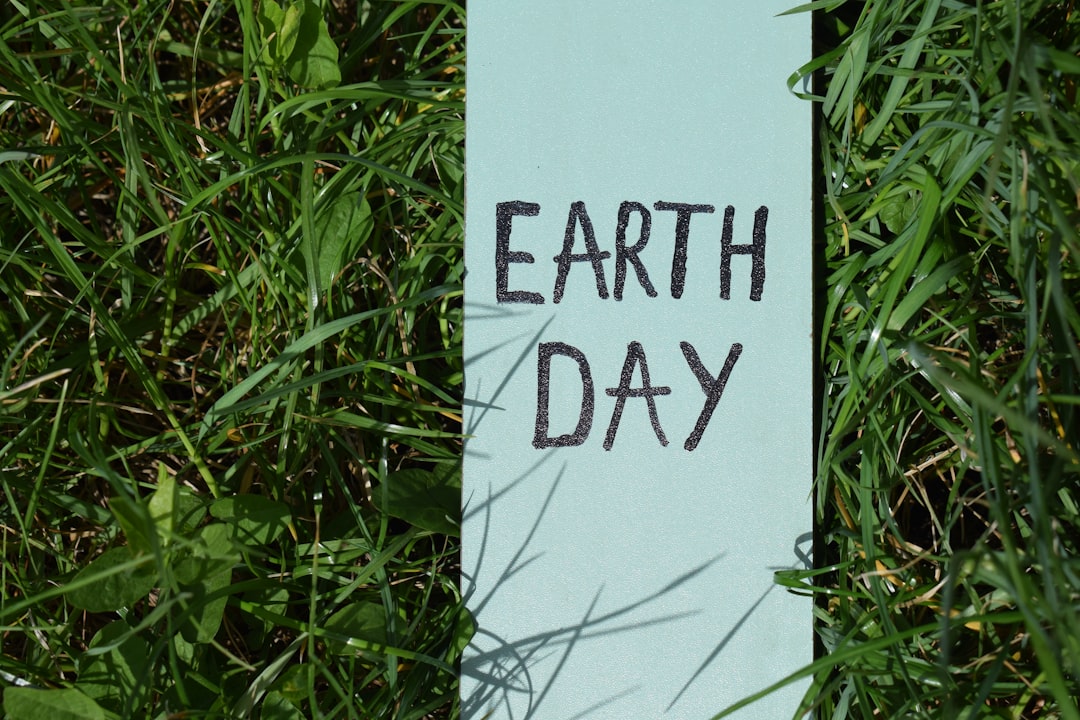
When the first Earth Day mobilized millions of Americans in the spring of 1970, organizers focused on massive industrial pollution rather than the subtle ecosystem lessons we now teach in kindergarten classrooms. Children naturally gravitate toward dirt, water, and wildlife without needing a political lecture. They chase frogs. Framing the climate conversation for a seven-year-old means leaning into that inherent fascination rather than projecting adult anxieties onto their muddy shoulders. A well-chosen sentence can shift their perspective from viewing nature as a mere backdrop to recognizing it as a complex living habitat. Reading thoughtful reflections on the natural world aloud while planting a garden or walking to school provides a solid framework for understanding their place in the local ecosystem.
What did Dr. Seuss teach children about conservation in 1971?
Theodor Geisel, writing as Dr. Seuss, published The Lorax in 1971 to directly challenge corporate logging practices and the rapid environmental degradation happening across America. He refused to sugarcoat the devastation. By using vibrant illustrations and rhyming couplets, he explained deforestation to children without relying on dense scientific vocabulary. The story places the ultimate burden of ecological restoration directly into the young reader's hands.
"Unless someone like you cares a whole awful lot, nothing is going to get better. It's not." — Dr. Seuss, The Lorax (1971)
"Look deep into nature, and then you will understand everything better." — Albert Einstein
"In every walk with nature one receives far more than he seeks." — John Muir
Fostering Curiosity Through Early Outdoor Experiences
Before a child can comprehend the mechanics of the ozone layer, they must first learn to care about the soil beneath their sneakers. Marine biologist Rachel Carson understood this progression when she published her seminal essay on childhood development in 1965. She championed shared exploration over strict instruction. Adults who point out the intricate patterns on a fallen oak leaf are conducting essential biology lessons in real time. Cultivating this foundation is crucial when navigating fresh starts in a family's routine, like establishing a weekend hiking habit. Taking the time to observe local wildlife builds the emotional vocabulary necessary for lifelong conservation efforts.
"If a child is to keep alive his inborn sense of wonder, he needs the companionship of at least one adult who can share it, rediscovering with him the joy, excitement, and mystery of the world we live in." — Rachel Carson, The Sense of Wonder (1965)
"People protect what they love." — Jacques-Yves Cousteau
"Nature is not a place to visit. It is home." — Gary Snyder
"The environment is where we all meet; where we all have a mutual interest; it is the one thing all of us share." — Lady Bird Johnson
Related: G.K. Chesterton's perspective on curiosity
What did Jane Goodall say about daily environmental impact?
Primatologist Jane Goodall reminds audiences that every individual influences the fragile ecosystem on a daily basis, regardless of age or location. She demands strict accountability. By shifting the focus away from overwhelming global statistics, she highlights the tangible choices made in our own neighborhoods. Her public advocacy empowers young students to view their seemingly small actions as part of a massive web of positive environmental change.
"You cannot get through a single day without having an impact on the world around you. What you do makes a difference, and you have to decide what kind of difference you want to make." — Jane Goodall, Reason for Hope (1999)
"It's the little things citizens do. That's what will make the difference. My little thing is planting trees." — Wangari Maathai
"Never doubt that a small group of thoughtful, committed citizens can change the world; indeed, it is the only thing that ever has." — Margaret Mead
Related: Mahatma Gandhi's approach to gentle advocacy
Framing Conservation as a Generational Duty
Historical leaders and modern activists alike emphasize that our relationship with the earth is a borrowed privilege rather than an absolute ownership right. We hold a temporary lease. Indigenous perspectives have long centered this exact philosophy, shaping how modern ecologists approach resource management across entirely different continents. The same reverence appears when examining how travelers document remote landscapes during long expeditions. Acknowledging that future generations will inherit the consequences of our current consumption habits naturally changes how a family operates on a daily basis.
"We do not inherit the earth from our ancestors, we borrow it from our children." — Anonymous (Often misattributed to Chief Seattle, this proverb reflects a broader Indigenous philosophy regarding generational stewardship).
"Try to leave this world a little better than you found it, and when your turn comes to die, you can die happy in feeling that at any rate you have not wasted your time but have done your best." — Robert Baden-Powell
As you step outside tomorrow morning, look for opportunities to frame the natural world as a collaborative partner rather than a resource to be managed. Point out the earthworms on the sidewalk after a heavy rain, or identify the specific bird calls echoing through the neighborhood canopy. Start close to home. A child who learns to name the oak trees in their local park will fiercely defend those same branches when they reach adulthood. Plant a few native wildflower seeds this weekend and watch the local pollinators arrive.