Muslim Scholars on the Midpoint of Fasting: 30 Ramadan Day 15 Quotes from the Quran and Hadith
Published · Last updated
The fifteenth day of the Islamic holy month marks a pivotal transition toward seeking divine forgiveness and preparing for the final ten nights.
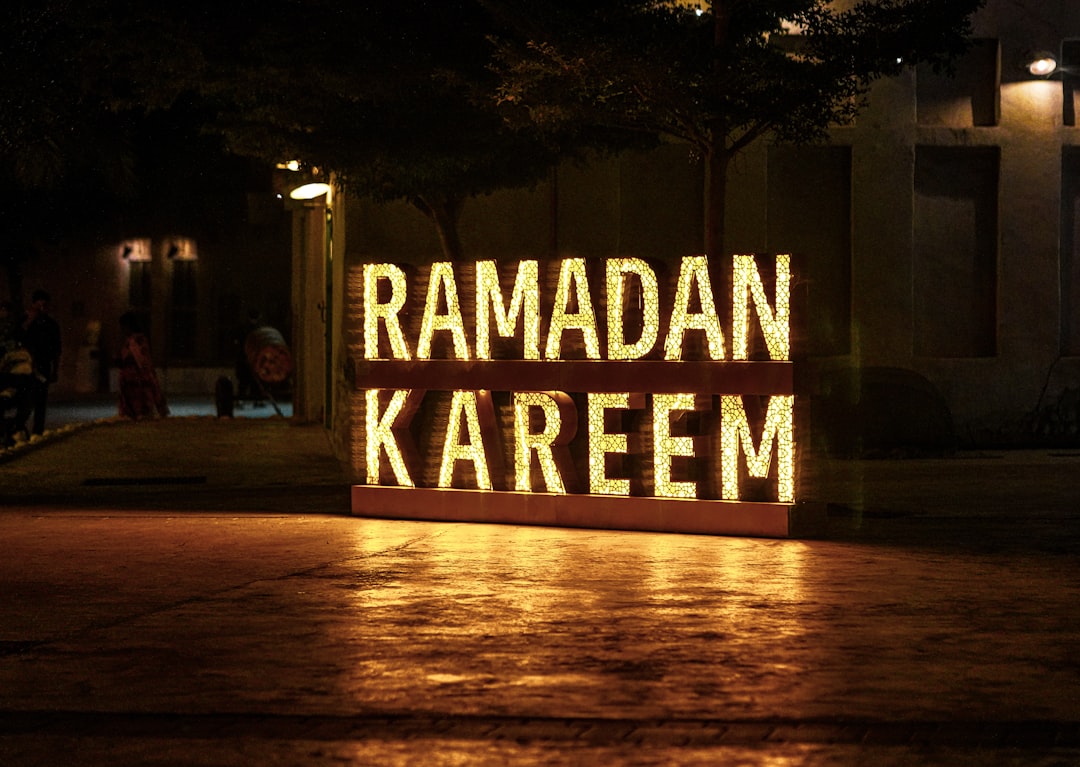
"Fasting is half of patience." — Prophet Muhammad (Sunan Ibn Majah 1745)
Reaching the fifteenth day of the Islamic lunar month shifts the believer's focus away from the initial physical shock of hunger and toward a profound, sustained spiritual endurance. The physical shock fades. Believers now navigate the crucial middle ten days, traditionally designated as the period of Maghfirah, or divine forgiveness.
What is the significance of the middle ten days of Ramadan?
The middle ten days of Ramadan, encompassing day 11 through day 20, represent the phase of Maghfirah. Islamic tradition teaches that during this specific window, God's mercy manifests through the pardoning of past transgressions, urging believers to intensify their daily prayers. This transition requires discipline.
In his 11th-century masterwork, The Revival of the Religious Sciences, Al-Ghazali outlined the inner dimensions of fasting that elevate a simple physical fast into a spiritual awakening. For those establishing a grounded dawn routine, the midpoint of the month offers a critical moment to evaluate their progress. Scholars at the historic Al-Azhar Mosque in Cairo, founded in 972 AD, frequently emphasize that the middle of the month is a time to recalibrate intentions. Seeking sources of spiritual motivation becomes essential as the initial excitement of the holy month naturally wanes.
Endurance during this period mirrors the challenge of navigating adversity with grace. The physical body adapts, but the mind must remain sharp to avoid slipping into mere habit. Many Muslims use these specific days to memorize new supplications and gather the reflections read before the Eid celebration weeks in advance.
30 Quotes for the Fifteenth Day of Ramadan
"O Allah, forgive me and have mercy on me, for You are the best of those who show mercy." — Quran 23:118
"The middle ten days of Ramadan are a time for seeking forgiveness; let your tongue remain moist with repentance." — Traditional Islamic Saying
"Fasting is a shield; so when one of you is fasting he should neither indulge in obscene language nor should he raise his voice in anger." — Sahih al-Bukhari 1894
"As the moon reaches its fullness on the fifteenth night, let your heart reach its peak in seeking God's pardon." — Ibn al-Jawzi
"Whoever fasts Ramadan out of faith and in the hope of reward, his previous sins will be forgiven." — Sahih al-Bukhari 38
"The midpoint of the month is a mirror reflecting the sincerity of your first two weeks." — Hasan al-Basri
"Do not let the middle of Ramadan pass as an ordinary day, for the gates of forgiveness are thrown wide open." — Imam Al-Ghazali
"A fasting person has two moments of joy: one when he breaks his fast, and one when he meets his Lord." — Sahih Muslim 1151
"By the fifteenth day, the stomach is empty but the soul is finally full." — Traditional Sufi Proverb
"Seek forgiveness in the middle of Ramadan, for it is the bridge between mercy and emancipation." — Ibn Rajab
"The best of fasting is the fasting of David; he would fast one day and break his fast the next." — Sahih Muslim 1159
"When the fifteenth night arrives, stand in prayer and ask for your burdens to be lifted." — Early Salaf Tradition
"Fasting is not merely abstaining from food and drink, but from vain talk and falsehood." — Sunan Abi Dawud 2362
"Half the month has departed; what have you deposited in your spiritual account?" — Ibn Qayyim al-Jawziyya
"The sigh of a fasting person seeking forgiveness at iftar is sweeter to Allah than the scent of musk." — Prophetic Tradition
"Ramadan is a month whose beginning is mercy, whose middle is forgiveness, and whose end is freedom from fire." — Shu'ab al-Iman
Although Hadith scholars frequently debate the authenticity of this specific narration's chain, its thematic structure remains widely taught across the Islamic world.
"Let the fifteenth day be a renewal of your initial intention, lest the routine dull your worship." — Imam Nawawi
"There are people who fast and get nothing from their fast except hunger." — Sunan Ibn Majah 1690
"As the moon wanes after the fifteenth, let your sins wane through sincere repentance." — Traditional Reflection
"The evening iftar on the fifteenth day is a celebration of endurance and a plea for continued strength." — Tariq Ramadan
"He who does not give up forged speech and evil actions, Allah is not in need of his leaving his food and drink." — Sahih al-Bukhari 1903
"Use the middle days to wash away the stains of the year, for the water of Ramadan is pure." — Rumi
"The midpoint of the fast is the apex of the spiritual climb; the descent into the last ten days requires careful footing." — Contemporary Islamic Scholar
"Every night of Ramadan, at the time of iftar, Allah chooses people to be saved from the fire." — Musnad Ahmad 21698
"Patience is half of faith, and fasting is half of patience." — Tirmidhi 3519
"On the fifteenth day, look back with gratitude and look forward with determination." — Yasmin Mogahed
"The tears of repentance shed during the middle ten days extinguish the fires of past mistakes." — Ibn Taymiyyah
"Do not grow weary in the middle of the race; the finish line holds the greatest reward." — Traditional Advice
"Fasting belongs to Me, and I will reward it." — Hadith Qudsi (Sahih al-Bukhari 7492)
"May the fifteenth day of Ramadan be the turning point where your heart fully detaches from the world." — Anonymous Supplication
Common Misconceptions
Myth: The midpoint marks a decline in spiritual energy.
Reality: While physical fatigue often peaks around the second week, Islamic teachings view the middle ten days as an escalation of spiritual activity. The focus shifts heavily toward seeking forgiveness, requiring active mental engagement rather than passive endurance.
Myth: Forgiveness is only granted on the Night of Power (Laylat al-Qadr).
Reality: The entire second third of Ramadan is dedicated to Maghfirah. Believers are encouraged to seek pardon continuously throughout these ten days, rather than waiting exclusively for the odd nights of the final third.
Myth: The fifteenth day requires specific, unique rituals.
Reality: No authentic prophetic tradition prescribes a unique ritual exclusively for the fifteenth day of Ramadan. The day simply serves as a psychological and spiritual milestone marking the halfway point of the obligatory fast.
The fifteenth day of Ramadan stands as a quiet testament to human endurance and divine mercy. Believers cross this threshold with renewed focus, leaving the physical struggle behind to embrace the profound spiritual work of the remaining month.